Naming |
| Botanical Name: |
Achillea millefolium aster family
|
| Common Names: |
Carpenter's weed; Milfoil; Millefolium; Noble yarrow; Nosebleed; Old mans pepper; Sanguinary; Soldier's wound wort; THomeandleaf; THomeand seed; wound wort; Yarrow
|
| Key Name: |
Yarrow
|
| Parts Used: |
Dried aerial parts including flowers; Flower; Leaves and flowers
|
| Sister Plants: |
Sneezewort (Achillea ptarmica): leaf; catarrh epilepsy, uterine problems.
|
| Comments: |
|
Taxonomy |
| Kingdom |
Viridiplantae |
Phylum |
Streptophyta |
| Class |
Magnoliopsida |
Order |
Asterales |
| Family |
Asteraceae |
Genus |
Achillea |
| Species |
millefolium |
NCBI Tax ID |
13329
|
| Organism |
Achillea millefolium
|
|
Characteristics |
| Identifying Character: |
Aromatic perennial;
|
| Stem: |
Simple; angular; rough, hairy, (The Whole Plant is hairy with white, silky appressed hairs), erect, 8 -10 cm high grayish-green, branching towards the top.
|
| Leaves: |
Finely - dissected dentated segments ("THomeand leaf" feather like appearance), narrowly oblong (lanceolate), Alternate bipinnated, clasping the stem at base, 2 - 10 cm. long, 2.5 cm wide, glandular underneath, spread along the ground
|
| Flowers: |
Grayish - white or rose - colored, 4 - 6 ray florets (hard, close, or dense, flat -topped and terminal compound clusters or corymbs). April to October.
|
| Fruit: |
|
| Taste: |
Bitter, Astringent and rough, insipid. sharp.
|
| Odour: |
Pungently Aromatic, faint, pleasant, peculiar.
|
| Root: |
Horizontal (Creeping rootstock).
|
| Image: |
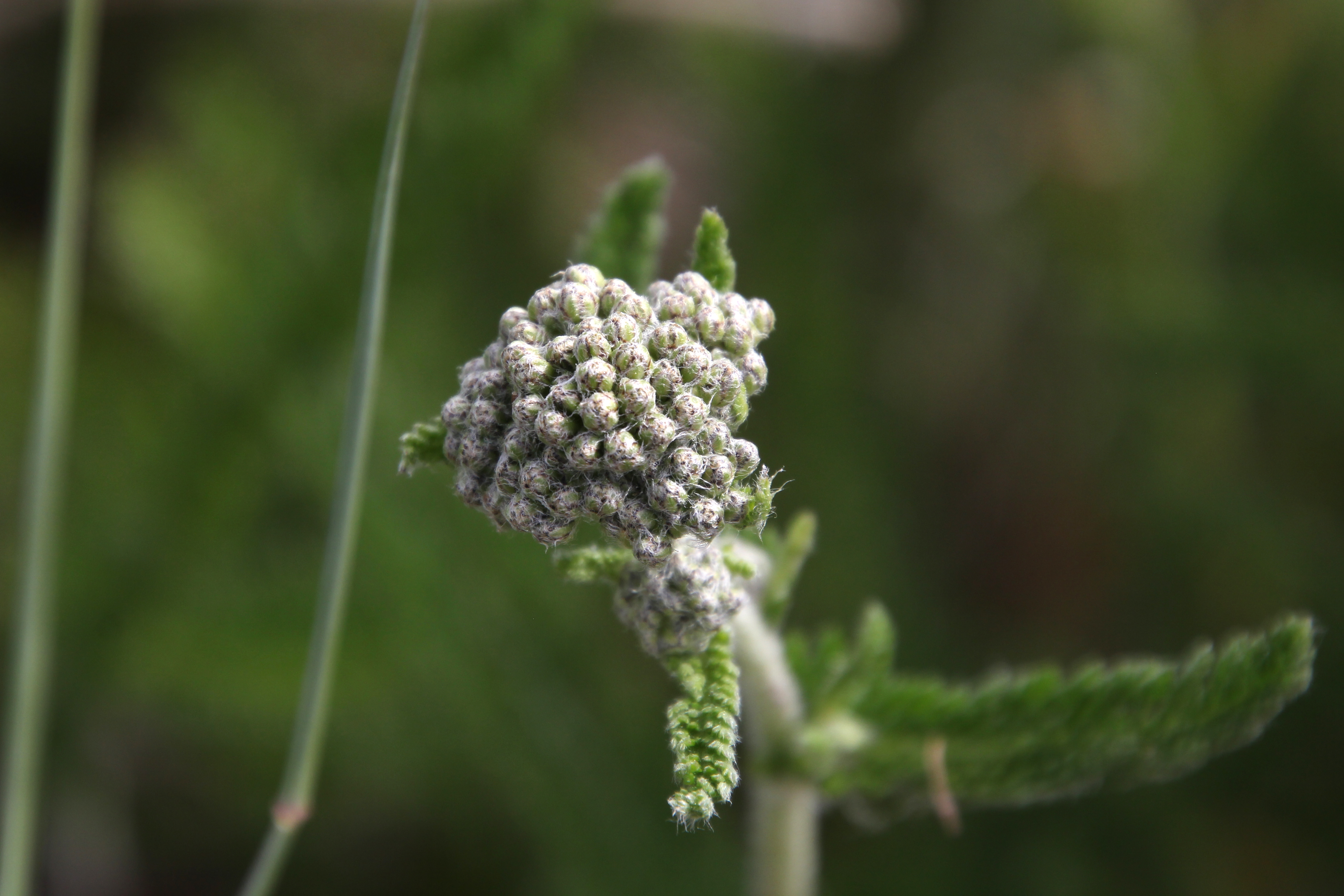
GBIF — CC BY-NC-ND
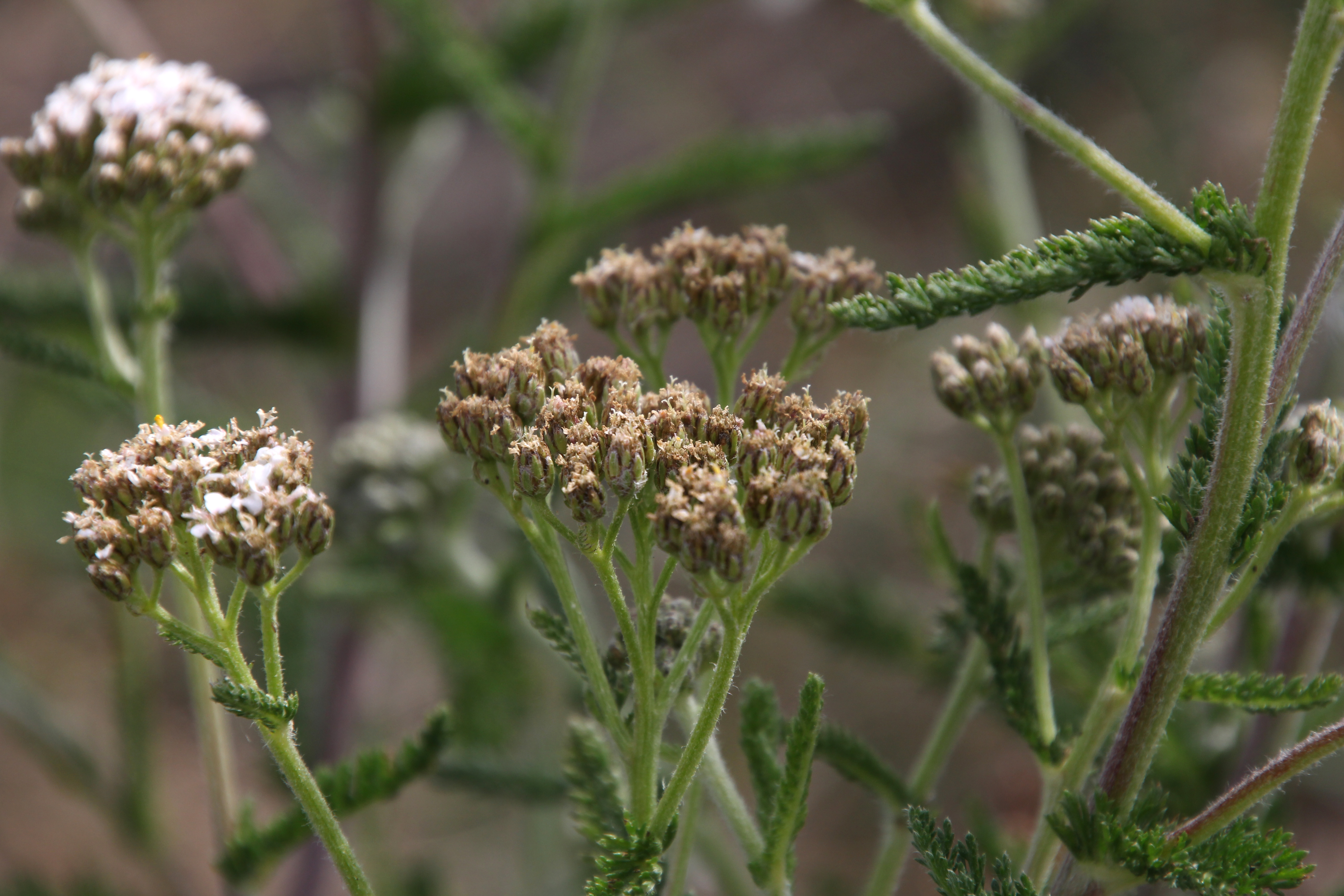
GBIF — CC BY-NC-ND
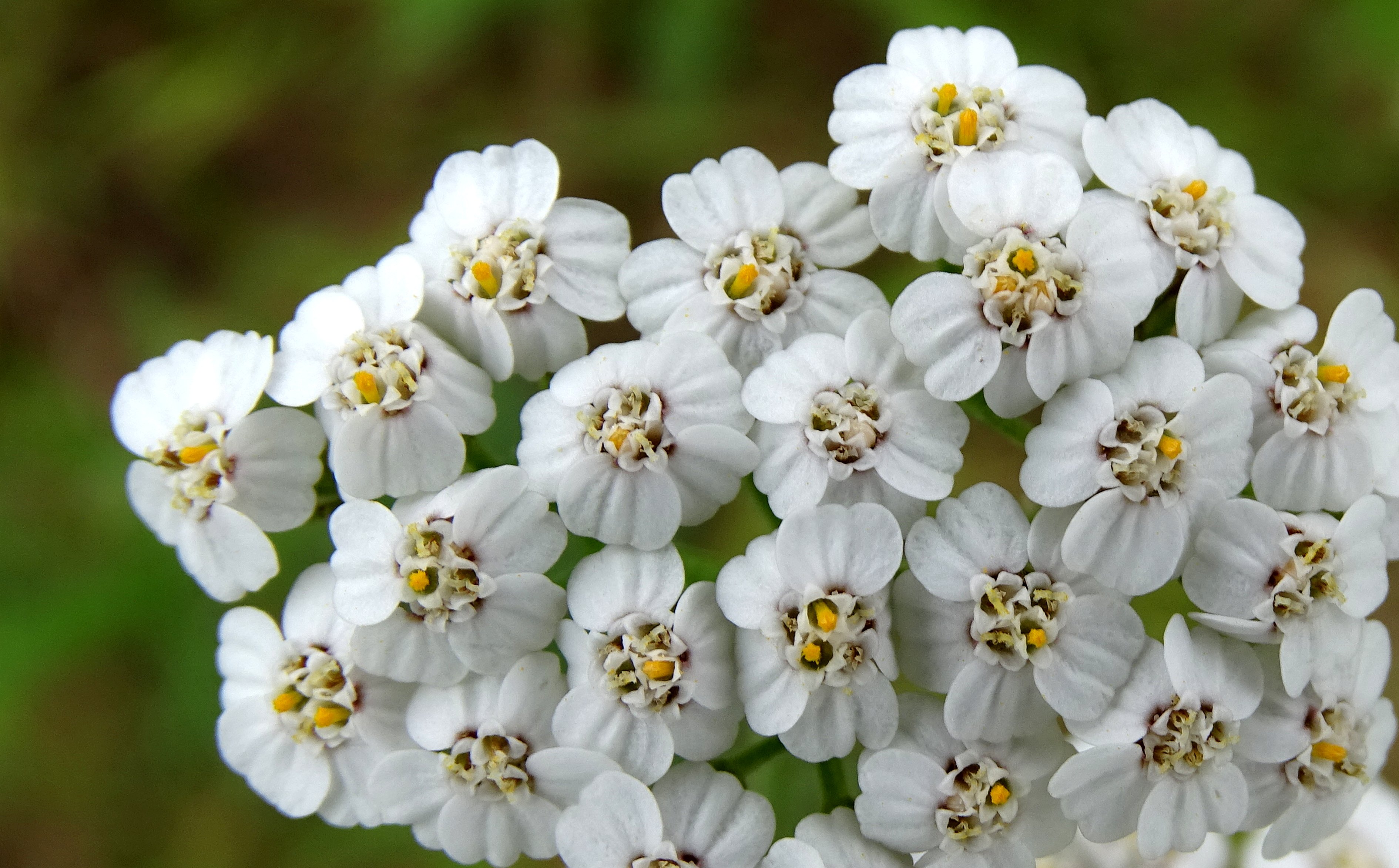
GBIF — CC BY-NC-ND
GBIF — CC BY-NC-ND
GBIF — CC BY-NC-ND
GBIF — CC BY-NC-ND
GBIF — CC BY-NC-ND
GBIF — CC BY-NC-ND
GBIF — CC BY-NC-ND
|
Distribution |
| Distribution: |
Widespread in temperate zones; native to Europe, on all but the poorest soils.
|
| Cultivation: |
This plant is harvested mostly in the wilds.
|
| Harvest: |
Gather yarrow at the flowering stage. Usually flowers twice. If it dose in your area you may take a heavy first crop and a light second crop. Be sure that you leave enough to reseed the plot. The flower head is what is harvested for market though all the plant is Medicinal. As short a stem as possible is taken, enough to hold head together. A knife helps to speed cut or a flower harvester.
|
Medical |
| Therapeutic Action: |
Alterative; Antipyretic; Antiseptic; Antispasmodic; Aromatic; Astringent ; Carminative; Cholagogue; Diaphoretic; Diuretic.; Emmenagogue; Expectorant; Hemostatic; Hypotensive; Stimulant; Stomachic; Sudorific; Tonic; Urinary Vulnerary">Urinary Vulnerary; Yarrow when a
|
| Medical Uses: |
Ague; Amenorrhea; Anaemia; Appetizer; Bile stimulate flow; Bladder, mucus discharges, inflammation; Bleeding haemorrhoids, Lungs, bowels, rectal; infusion of powder; Blood cleaner coughing and spitting of; Blood Tonic and prophylactically building; Boils, fomentation, infusion, Tincture, fluid-extract; Breath shortness of; Bright's disease; Bronchitis. ; Chicken pox; Colic; Colds. (infusion); Coronary thrombosis; Cough; Diabetes; Diarrhea, (including infants); Dysentery; Dyspepsia; Enteritis; Eye Achilles used juice as a wash for redness; Fevers, (hot); Fistulas, ointment, poultice or suppository; Flatulence; Gallbladder; Gastric stimulates secretions; Gastritis; Hair falling; Hands chapped, wash/dec; Headache; congestive headache; Hematuria, infusion, fluid extract, Tincture, powder; Haemorrhoids, retention enema; Hypertension; Incontinence; Indigestion; Influenza; Intestines false membranes; Jaundice; Lack of Appetite; Leucorrhea, internal and douche; Liver; measles, infusion; Excessive flow">menstrual Excessive flow; menstrual regulates periods; Nervousness; Nipples sore; Perspiration, obstructed, promote; Processes inflamed; Quinine substitute; Respiratory tract acute catarrh; Rheumatism. ; "Running of the reins" in men and discharge of women decoction in white wine; Skin diseases, infusion; Smallpox; sores, dec/wash, ointment. Stomach gas">poultice or ointment. Stomach gas, sickness, Tonic; Styptic externally; Tabes of spinal marrow; TB of the lungs; Throat relaxed; Tonic for run down conditions; Toothache (fresh Leaves); Typhoid fever; Ulcers; Urinary organs; Urine suppressed, scanty; Wounds;
|
| Constituents: |
Achillic acid; Achilleine; Volatile oil containing *azulene; Bitter extractive; Essential oil; a Glycoalkaloid, Tannssential oil; a Glycoalkaloid, Tannic acid;
|
| Solvents: |
Alcohol; Water;
|
| Dosage: |
decoction - 1/2 cup fluid extract 1/2 - 1 teaspoonful 3 - 4 times daily infusion 1 teaspoon herb per cup of water oil - 5 -20 drops 3 - 4 times per day powder - 5 to 10 # 0 caps (30 - 60 grains) 3 -4 times per day 1/4 - 1/2 teaspoonful Tincture 1 tablespoonful, 3 - 4 times per day 5 - 20 drops 3 - 4 times daily 5 - 20 min
|
| Administration: |
Anal Diarrhea (infants); brew one cupful or more of the infusion (according to age); Haemorrhoids (piles), haemorrhage of the bowels: Use a clean enema, then inject the cool tea into the bowels (where there is pain the tea should be tepid); then inject 2 tablespoonful several times per day, and after each stool. Oral Colds. : taken freely in the hot infusion form the beginning of a cold, may be taken alone or in combination with other herbtaken alone or in combination with other herbs, such as Elder. flowers, mints, periwinkle, etc. it will usually break a cold overnight or in 24 hours. Fevers: For all types of Fevers, give 2 - 3 fluid ounces of yarrow decoction (see "formulas") q2h as hot as the patient can stand. Clean bowels to prevent feeding condition with toxic matter, use also Polygala senega. Enuresis, Bronchitis. (and other respiratory problems): Drink the decoction cool. False membranes in the small intestines: Yarrow is a very reliable agent to remove them; give 2 - 4 ounces of the decoction 3 - 4 times daily, 1 hour ac (before meals). Haemorrhage, spitting of blood: Drink the warm infusion; it will equalize the circulation and relieve the pressure from the ruptured vessel, allowing it to heal. SKIN Old Wounds, Ulcers, Fistulas: Use an ointment of yarrow; soaking and washing with the tea is also beneficial. VAGINAL Leucorrhea, Inflammation of Bladder: yarrow makes an excellent douche for this problem (use cool).
|
| Formulas: |
|
| Contraindications: |
extended use of yarrow, may make the skin sensitive to light;
|
| Preparation: |
Decoction, fluid extract, infusion, oil, powder, Tincture, poultice, ointment.
|
| Chinese: |
Kidney Yin: Yarrow cooling depressing oarrow cooling depressing of kidney Yin;
|
| Veterinary: |
Dysentery in horses, personal; mixed with rosemary and root powder will create a poultice that will form a hard mass. This mass will be left alone by the animal till healed. In most cases it will fall off on its own when healed. NONMEDICAL USES:
|
| Homeopathic: |
|
Pollination and Pollinators |
| Apis: |
No
|
| Pollinator: |
|
| Pollen: |
No
|
| Pollen Notes: |
|
| Nectar: |
No
|
| Nectar Notes: |
|
Other |
| Non-Medical Uses: |
|
| Culinary Uses: |
|
| History: |
|
| Reference: |
1 . The Encyclopedia of Herbs and Herbal ism. Stuart 2. The Herb Book John Lust. . Indian Herbalogy of North America. Alma Hutchens. 4. Modern Encyclopedia of Herbs. Joseph Kadans. 5. School of Natural Healing. Dr. John Christopher 6. Back to Eden. Jethro Kloss n. Jethro Kloss 10. Dominion Herbal Collage 11. Norma Myers Course. 21. Peoples Desk Reference. E. Joseph Montagna 22. Natural Healing With Herbs. Humbart Santillo 24. The Herbalist. Joseph E Meyer. 25. Computer System Consulting. personal use and experience. ENCY Home Page.
|
| URL: |
|
| Share: |
Public
|